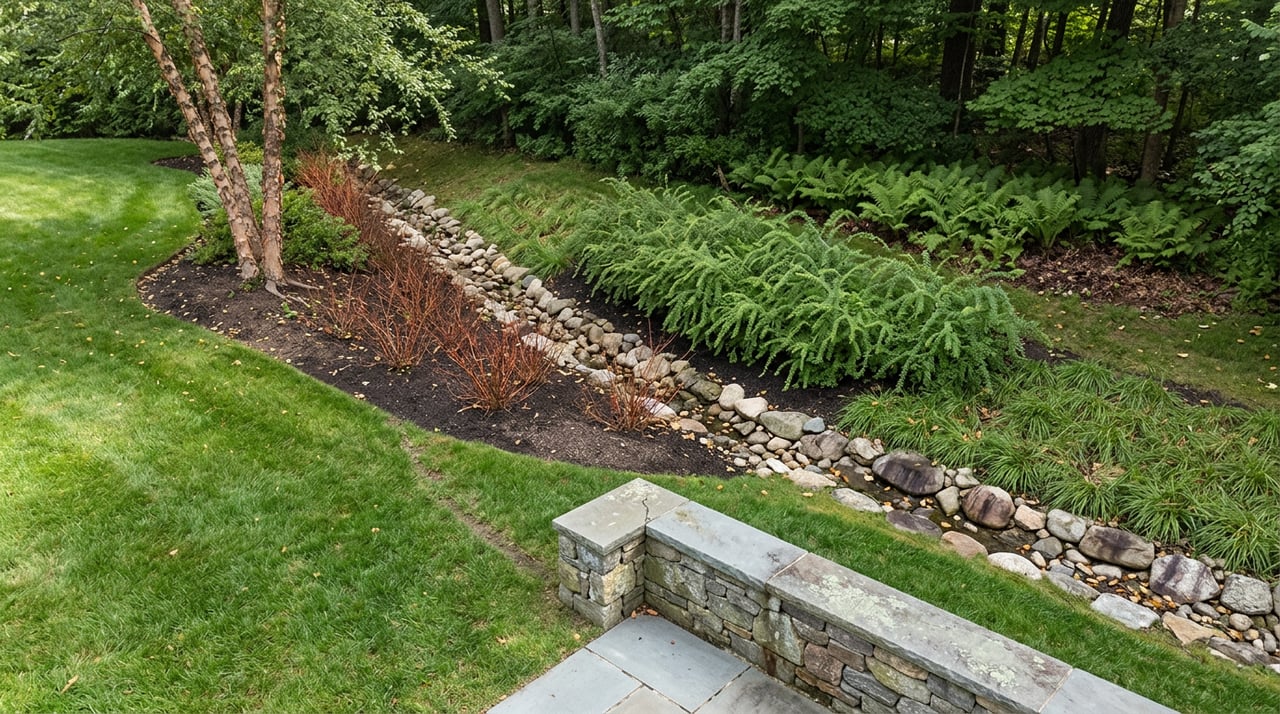
Highland Park Ravine Lots: The Ordinance Behind the View
Highland Park
Highland Park
Ask that question in Highland Park and most buyers picture privacy, tree canopy, maybe the sound of water after a storm. What a ravine lot conveys, legally, is a maintenance relationship with the City of Highland Park and with every neighbor whose property touches the same slope. That relationship is written into a specific ordinance, it does not expire when the sale closes, and it rarely shows up in the listing description or the standard Illinois disclosure form. If you are buying or selling a home on or near one of Highland Park's ravines, the ordinance is the part of the transaction worth understanding before you write the offer or sign the listing agreement.
Highland Park's zoning code sets aside a specific district called the Steep Slope Zone, covering ravine and bluff areas throughout the city. The ordinance states plainly that these slopes carry a value that extends beyond the individual lot, noting that ravine and coastal steep slopes have "a direct relationship to property values, not only for Lots containing or adjacent to ravine and bluff steep slopes, but for Lots throughout the City." That framing matters, because it means the city treats a ravine as connected infrastructure, not a private backyard feature, and regulates it that way.
The practical rules that follow from that framing are specific:
None of this is theoretical. These requirements apply to the property regardless of who owns it, so a buyer who takes title to a ravine property also takes on the responsibilities imposed by the City's Steep Slope Zone regulations.
Here is the part that surprises most buyers: your obligations on a ravine lot are only half the picture, because the slope itself does not stop at your lot line. A 2017 report from the Alliance for the Great Lakes, describing joint restoration work with homeowners in both Highland Park and Glencoe, put it directly: "because homeowners share the ravines with their neighbors, what one neighbor does on their property can negatively impact another." Grading on one parcel, a failed drainage pipe two doors down, or a neighbor's decision to clear vegetation near the top of a slope can all change conditions on your property, regardless of what your own maintenance record looks like.
That interdependence is why the Alliance brought Highland Park and Glencoe ravine owners together for workshops rather than treating each lot as an isolated repair job. A 1998 Illinois Department of Natural Resources report on Highland Park's ravine system found that more than 780 properties bordered the city's ravines, with over 80 percent of the total ravine system in private ownership. Highland Park's park district does manage a number of ravines directly, which creates some collaborative opportunities, but the majority of the erosion risk and the majority of the maintenance duty sits with individual homeowners who did not choose their neighbors' drainage habits.
For a buyer, that means the seller's disclosure and your own inspection cover the parcel you're purchasing, but they cannot fully account for what is happening upstream on someone else's slope. For a seller, it means documentation of your own drainage maintenance, and any communication with neighbors about shared slope issues, becomes worth keeping on file well before you list.
If a listing sits on or near a ravine, a few questions belong in your due diligence before the inspection contingency expires:
None of these are questions a standard home inspection is built to answer in depth. A general inspector will flag visible water intrusion or grading problems near the foundation, but slope stability on a ravine parcel is its own specialty, closer to a geotechnical question than a home inspection question.
It helps to know what fixing a failing slope actually involves, because the scope tends to surprise people who assume it means a few bags of mulch and some new plantings. A documented stabilization project on Deere Park Road in Highland Park, handled by marine contractor Gillen Marine, described a ravine that had failed and eroded badly. The crew brought in a backhoe by barge, cleared debris, brush, and tree stumps, then placed large and small quartzite stone at the base of the ravine to stabilize it and reduce further erosion. That is heavy civil work, not landscaping, and it is the kind of project that a soil stability report under the ordinance's earth moving provisions is designed to anticipate before it becomes an emergency.
None of this means a ravine lot is a liability. Highland Park listings routinely market ravine frontage as a defining asset, and for good reason. A three-quarter-acre ravine property with "stunning views in every season" and a half-acre lot marketed for its ravine views and proximity to the beach both illustrate how these parcels command attention precisely because of the topography that comes with extra responsibility. The privacy, the tree canopy, and the sense of seclusion that a ravine lot offers are genuine value drivers in this market. The point is not to avoid these properties. It's to walk into the transaction knowing that the lot's best feature and its highest-maintenance feature are the same piece of land.
Illinois' Residential Real Property Disclosure Act requires sellers to disclose material defects they actually know about, meaning conditions that affect the property's value, safety, or habitability. Known conditions involving active slope erosion, drainage problems, City notices, or unpermitted improvements near the Steep Slope Zone may raise disclosure issues depending on the facts, and sellers should discuss those conditions with their real estate attorney when completing the disclosure report. The law also creates a continuing duty: If, before closing, a seller becomes aware of an error, inaccuracy, or omission in a previously delivered disclosure report or supplement, Illinois law requires a written supplemental disclosure. Illinois REALTORS' own guidance on the Act confirms sellers must supplement their disclosure if they gain actual knowledge of a material defect later in the process, which matters on a ravine lot where conditions can change with a single heavy rain event between listing and closing.
If you are preparing to sell a ravine-adjacent home, the smartest sequence is to get ahead of that disclosure obligation rather than wait for it. For some ravine-adjacent sellers, consulting an appropriate engineer before listing may help clarify known slope or drainage concerns and give buyers useful documentation. Whether that step makes sense depends on the property and should be discussed with the seller's attorney and real estate professionals.
Does the Steep Slope Zone apply if a ravine touches my back property line?
Possibly. The answer depends on where the City's Steep Slope Zone boundary falls in relation to the property. For ravines, the zone generally extends from the bottom of the steep slope to 10 feet beyond its top edge. Buyers and owners should confirm the applicable boundary for the specific parcel rather than relying solely on the visible ravine or lot line.
Do I need an engineering report just to sell a ravine lot? Not automatically. The engineering report and earth moving plan requirements attach to building applications within the zone, not to the sale itself. They become relevant the moment a buyer wants to add a pool, patio, or addition near the slope after closing.
Should I expect to need flood insurance because the property is near a ravine? Not necessarily, and not automatically. Flood insurance requirements are tied to FEMA flood zone mapping, which a lender checks independently. Highland Park does carry citywide flood exposure worth knowing about in general terms, but proximity to a ravine does not, by itself, place a parcel in a mapped flood zone. Ask your lender to confirm the specific parcel's flood zone status rather than assuming based on topography.
A ravine lot in Highland Park can be one of the most rewarding properties on the North Shore to own, and one of the more involved ones to buy or sell correctly. If you are weighing a purchase near the ravine system, or preparing to list a home that borders one, The Keki Cannon Team can walk the property with you, help you line up the right inspection and engineering resources, and make sure your disclosure and your marketing tell the same accurate story. Let's Connect.


Highland Park
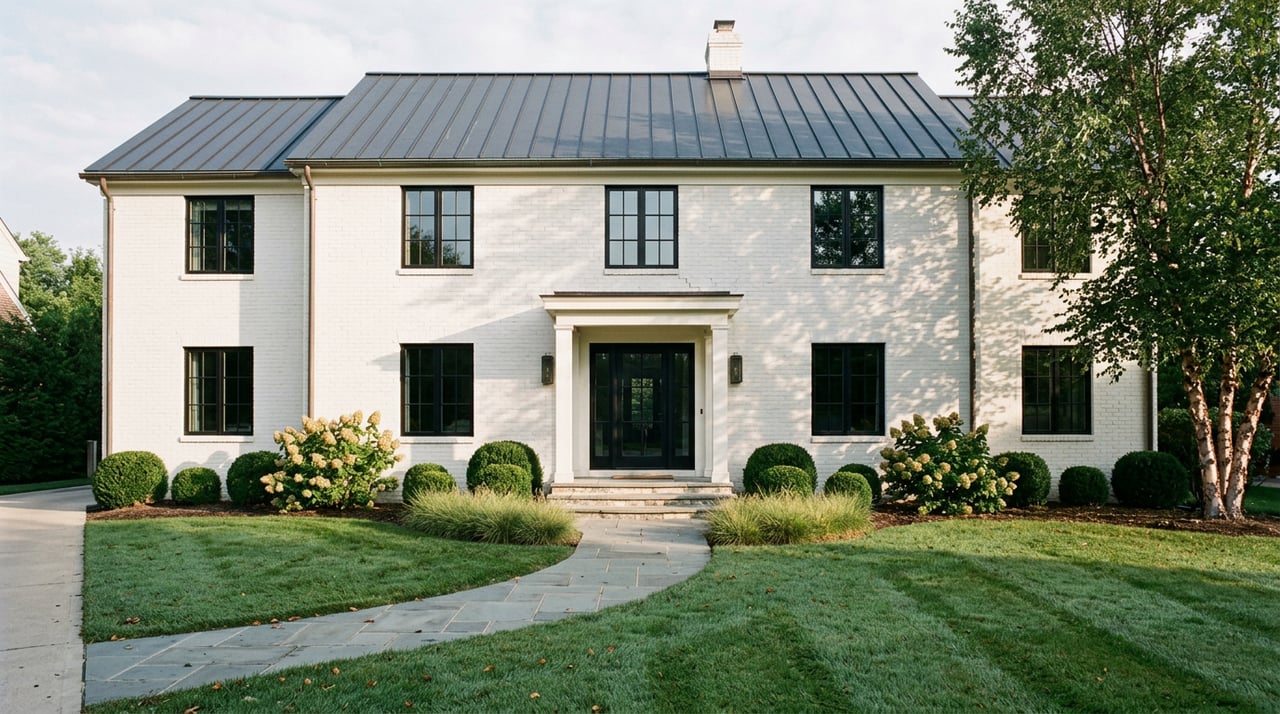
What Highland Park homeowners and buyers should know about ravine properties, setbacks, maintenance, and the rules that protect them.
Glenview
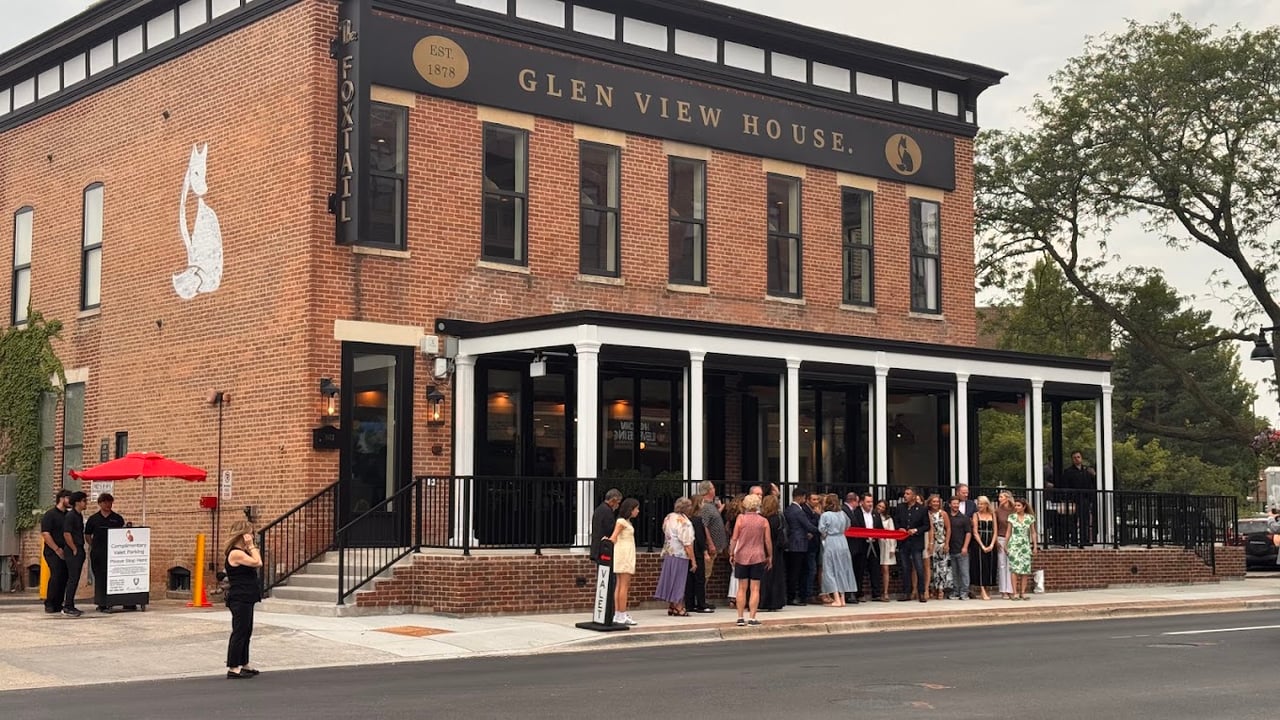
New restaurants, new residents and a packed September calendar are changing the feel of downtown Glenview.


Our deep local roots create a complete knowledge base—covering schools, public amenities, and local culture—allowing us to meet every client's needs with absolute precision.
Get In Touch With Our Team To Learn More