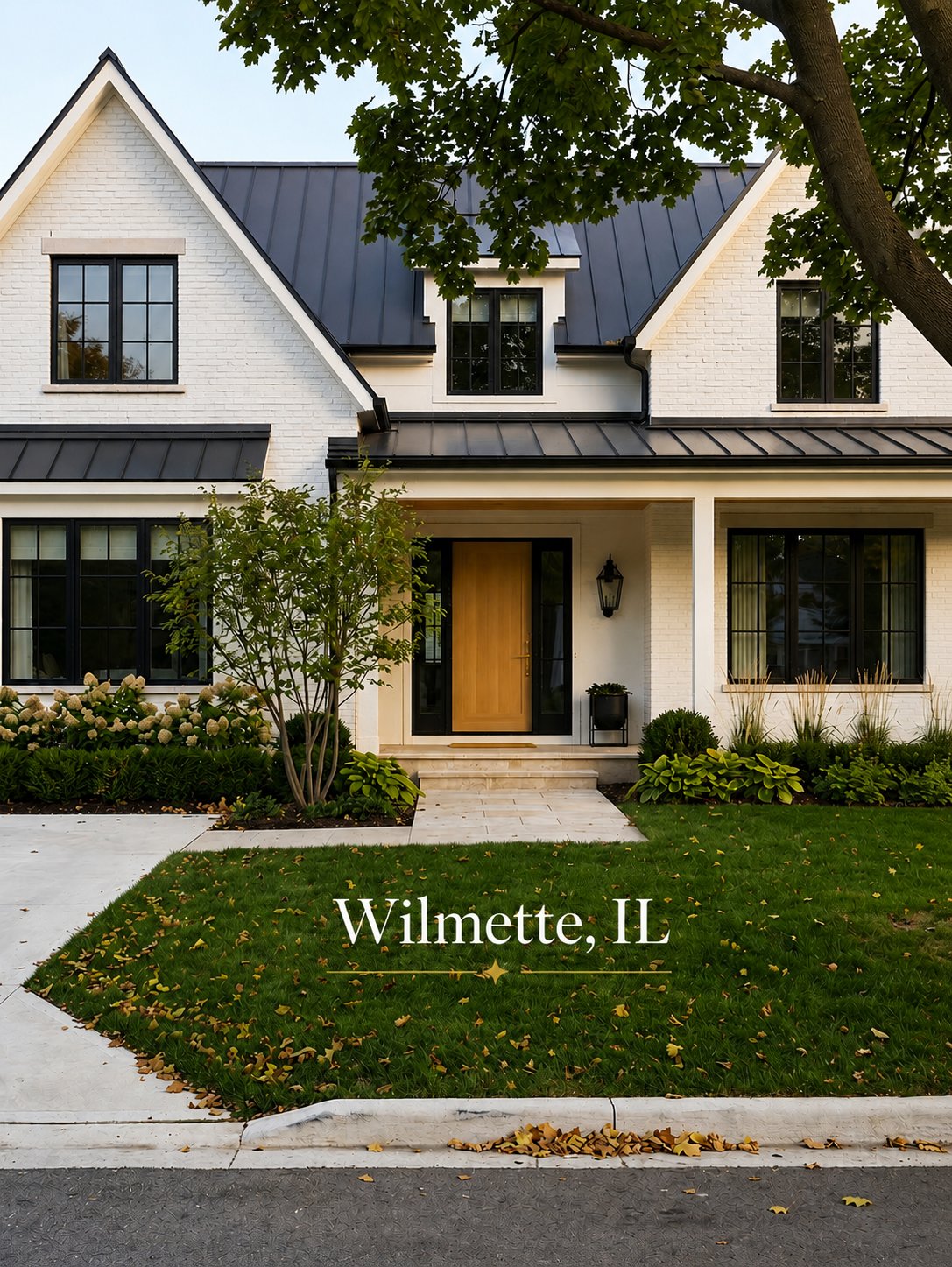
Wilmette
Wilmette
Curious about what day-to-day life in Wilmette actually feels like? If you are weighing a move to the North Shore, it helps to look beyond listing photos and commute maps. Wilmette offers a mix of lakefront beauty, historic character, local shopping, and practical transit access, and understanding how those pieces fit together can help you decide if it matches the way you want to live. Let’s dive in.
Wilmette is a North Shore suburb of Chicago with an estimated 27,459 residents in 2025 across 5.4 square miles. That relatively compact footprint gives the village a close-knit, easy-to-navigate feel while still offering a lot of variety in how you spend your time.
Village materials describe Wilmette through features that many residents notice right away: lakefront access, tree-lined streets, green street lanterns, brick streets, and a strong historic-preservation culture. In practical terms, that means you get a community with visual character and a clear sense of place rather than a generic suburban layout.
One of the biggest reasons people choose Wilmette is the lifestyle. While beautiful homes, top-rated schools, and Lake Michigan certainly draw attention, it's the day-to-day experience that makes residents fall in love with the community.
Downtown Wilmette is more than just a business district—it's the gathering place for the entire community. On any given day, you'll find neighbors catching up over coffee, families strolling to dinner, commuters hopping on the Metra, and kids riding their bikes into town for an after-dinner treat.
Residents often start their mornings with coffee at Central Station Coffee & Tea, conveniently located in the heart of downtown and even inside the Wilmette Metra station for commuters.
For brunch, locals flock to EvaDean's Bakery & Cafe, where favorites include fresh pastries, brunch cocktails, and one of the most talked-about avocado toast dishes on the North Shore.
When the weather warms up, you'll see families grabbing gelato at Coco Mero or enjoying frozen treats from Frio Gelato while wandering Central Avenue. Dinner options continue to expand, making downtown Wilmette one of the North Shore's most vibrant dining destinations.
Some local favorites include:
For many residents, the ability to walk from home to coffee shops, restaurants, boutique shopping, the library, parks, and the train station creates a lifestyle that feels both convenient and connected.
One of Wilmette's greatest strengths is its walkability. Many neighborhoods allow residents to walk or bike to downtown Wilmette, schools, parks, and the Metra station.
The historic Wilmette Metra station provides direct access to downtown Chicago in approximately 30 minutes, making it a highly desirable location for commuters who want suburban living without sacrificing city accessibility.
Unlike some suburbs that feel spread out or heavily commercialized, Wilmette maintains a true village atmosphere. The downtown area is active year-round, yet still feels welcoming and community-oriented.
Living near Lake Michigan is one of the defining features of life in Wilmette.
At the center of that experience is Gillson Park, one of the most beloved public spaces on Chicago's North Shore. The park offers swimming beaches, sailing, walking paths, picnic areas, playgrounds, and breathtaking views of Lake Michigan.
Many residents spend their summers at the beach, launch sailboats from Wilmette Harbor, attend community events, or simply take evening walks along the shoreline.
According to the Wilmette Park District, Gillson Park includes swimming beaches, a sailing beach, boat access, picnic areas, and recreational facilities that make it one of the premier lakefront destinations in the Chicago suburbs. Gillson Park and Wilmette Harbor are also listed on the National Register of Historic Places.
When people ask what it's like to live in Wilmette, the answer usually goes beyond real estate.
It's grabbing a morning latte at Central Station before catching the train.
It's meeting friends for brunch at EvaDean's.
It's taking the kids for gelato on a summer evening.
It's walking to dinner downtown without needing the car.
It's spending weekends at Gillson Beach and watching sunsets over Lake Michigan.
And it's being part of a community that feels active, connected, and genuinely welcoming.
For many residents, that's what makes Wilmette one of the most desirable places to live on Chicago's North Shore.
Wilmette balances charm with function. It is not just pretty streets and historic homes. It also has a downtown anchored by transit, local businesses, and regular community activity.
That mix matters because some suburbs feel quiet but disconnected, while others feel busy but impersonal. Wilmette tends to land in the middle, with enough activity to keep things convenient and enough identity to make it feel distinct.
The lakefront is much more than a beach—it's a lifestyle that shapes daily life in Wilmette.
Managed by the Wilmette Park District, Wilmette's shoreline offers residents access to parks, beaches, boating, sailing, paddleboarding, kayaking, dog-friendly recreation, and community events throughout the year. The Park District oversees more than 300 acres of parks and recreational facilities throughout the village, with the lakefront serving as one of its crown jewels.
At the center of it all is Gillson Park, a stunning 60-acre lakefront park featuring walking paths, picnic areas, tennis courts, playgrounds, sailing facilities, and some of the best views of Lake Michigan on Chicago's North Shore. Gillson Park and Wilmette Harbor are listed on the National Register of Historic Places and have been under Park District stewardship since 1911.
During the summer months, residents enjoy access to Gillson Beach and Wilmette Beaches, where families spend their days swimming, relaxing on the sand, attending beachside events, or simply enjoying the Lake Michigan shoreline. The lakefront also includes picnic pavilions, volleyball courts, a dog beach, and the Wallace Bowl outdoor performance venue.
For boating enthusiasts, the Wilmette Harbor Club provides a vibrant boating community with direct access to Lake Michigan. Adjacent to Gillson Park, the harbor area supports sailing, paddleboarding, kayak rentals, and seasonal boat storage, making it a favorite destination for residents who embrace an active lakefront lifestyle.
Whether it's a morning walk along the lake, an afternoon at the beach, an evening sail, or simply watching the sunset over Lake Michigan, the Wilmette lakefront is one of the community's most defining and desirable amenities.
Living in Wilmette can mean easier access to shoreline walks, beach time, sailing, and casual outdoor meetups. Even if you are not heading to the beach every day, having Lake Michigan as part of your regular backdrop changes the feel of the village.
This is one of the reasons Wilmette appeals to buyers looking for a North Shore lifestyle with strong outdoor access. The lakefront is not just scenery. It is an active part of local life.
While Gillson Park and the lakefront often get the spotlight, Wilmette offers a variety of outdoor spaces that appeal to different lifestyles and interests.
Nature lovers appreciate the Elmwood Dunes Preserve, a rare and protected natural area that preserves Wilmette's last remaining bluff and dune ecosystem along Lake Michigan. The preserve features native plants, walking paths, and educational opportunities, providing a peaceful escape just steps from the lake.
For those seeking additional green space, the Keay Nature Center offers nature trails, environmental education programs, and opportunities to experience local wildlife and native habitats throughout the seasons.
Residents also enjoy the expansive grounds and programming at Mallinckrodt Park, home to walking paths, community gardens, fitness classes, pickleball courts, adult recreation programs, and year-round activities that serve residents of all ages.
Additional community favorites include:
One of the unique advantages of living in Wilmette is having access to both vibrant lakefront recreation and quieter neighborhood parks within minutes of each other. Whether your ideal day includes sailing on Lake Michigan, a morning walk through native dunes, a pickleball match with friends, or simply enjoying a peaceful neighborhood park, Wilmette offers a wide variety of outdoor experiences that help create a balanced and active lifestyle.
That diversity of recreational opportunities is one of the many reasons families, professionals, empty nesters, and retirees continue to choose Wilmette as one of the most desirable communities on Chicago's North Shore.
One of the things residents love most about Wilmette is that daily life feels easy. Unlike some suburbs that rely on a single downtown area, Wilmette is home to seven distinct commercial districts, each with its own personality, local businesses, and gathering places.
The heart of the village is Downtown Wilmette, centered around the historic Metra station. Here you'll find some of the community's most popular destinations, during the summer months, it's common to see families biking into town for dessert, neighbors gathering on outdoor patios, and commuters stopping for coffee before catching the train into Chicago.
Just to the east, Linden Square serves residents who enjoy quick access to the CTA Purple Line, boutique shops, restaurants, and neighborhood conveniences. The district offers a charming, walkable atmosphere that blends seamlessly into the surrounding residential streets.
One of Wilmette's most iconic destinations is Plaza del Lago, a historic Spanish-inspired shopping center overlooking Lake Michigan. As one of the country's oldest planned shopping centers, Plaza del Lago combines luxury boutiques, local retailers, fitness studios, dining options, and seasonal events in a setting unlike anywhere else on the North Shore.
Residents also appreciate the locally owned businesses and neighborhood services found along the Ridge Road Business District, as well as the conveniences located throughout the Village Center, Green Bay Road corridor, and other neighborhood commercial areas.
Another major retail and dining destination is Edens Plaza, conveniently located at the intersection of Lake Avenue and Skokie Boulevard. Home to everyday conveniences like Whole Foods Market, Starbucks, CVS Pharmacy, and a variety of restaurants, fitness studios, and service providers, Edens Plaza serves as a practical hub for daily errands and shopping. Residents appreciate being able to pick up groceries, grab coffee, attend a workout class, or check off multiple to-dos in a single stop. For many Wilmette residents, Edens Plaza complements the charm of downtown Wilmette by providing convenient access to national retailers while still maintaining a neighborhood-oriented feel. Learn more at Edens Plaza.
For many residents, it's not just about having amenities nearby—it's about having multiple destinations throughout town that make everyday life enjoyable and help foster a true sense of community.
Wilmette has seven commercial districts, which gives you options beyond one single main strip. Downtown Wilmette is centered around the Metra station and includes restaurants and specialty stores, while Linden Square serves Purple Line commuters, Plaza del Lago offers a Spanish-inspired retail and dining setting, and Ridge Road is known for locally owned businesses.
That setup makes the village feel layered rather than one-note. You can run errands, grab coffee, meet friends, or browse local shops in different pockets of town depending on your day.
The Village Center Master Plan describes downtown as a hub for retail, dining, entertainment, housing, employment, and transportation. That is important because it shows downtown is meant to function as part of everyday life, not just as a nice backdrop.
For many buyers, that kind of center adds long-term appeal. It supports walkability, convenience, and a stronger connection between home, transit, and local businesses.
One of the most beloved community traditions in Wilmette is the seasonal Wilmette French Market, held every Saturday from 8:00 a.m. to 1:00 p.m. in the downtown commuter parking lot just east of the historic Metra station. From spring through fall, residents gather to shop for fresh produce, artisan breads, flowers, cheeses, baked goods, specialty foods, and handcrafted products from local and regional vendors.
More than just a farmers market, the French Market has become part of the weekly rhythm of life in Wilmette. Many residents start their Saturday with coffee from Central Station Coffee & Tea, stroll through the market, chat with neighbors, pick up ingredients for the weekend, and then enjoy breakfast or brunch at nearby favorites like EvaDean's Bakery & Café.
Events like the French Market help create the strong sense of community that Wilmette is known for. If you value walkability, supporting local businesses, and having a vibrant downtown gathering place, the market is one of the many small experiences that make living in Wilmette feel special. Often, it's these simple weekly traditions—not just the homes or schools—that define what everyday life in a community truly feels like.
Downtown parking can be a frustration point in many suburbs, but Wilmette offers some relief. The village says all on-street parking in Downtown Wilmette is free, and there are five free off-street lots, with some spaces reserved for permits or EV charging.
That may sound like a small thing, but easy parking can make everyday errands, dining, and commuter drop-offs much simpler.
Wilmette offers several transportation options for residents who need access to Chicago or nearby communities. Metra’s Union Pacific North Line stops right in downtown Wilmette, the CTA Purple Line ends at Linden Avenue, and Pace routes 213, 421, 422, and 423 serve the village.
For drivers, the village notes that the Edens Expressway is easily accessible at Lake Avenue. Census data show a mean travel time to work of 34.6 minutes, which gives you a useful benchmark if commute time is part of your home search.
Wilmette’s active transportation planning also focuses on improving access to transit stations, business districts, parks, schools, and other key destinations. That tells you the village is thinking about connectivity in a broad, everyday way.
If you want a suburb where you are not completely dependent on one mode of transportation, Wilmette checks an important box. That can be especially helpful if your household has different schedules or commute patterns.
Wilmette remains mostly a single-family market. A 2026 village housing analysis reports that about 79% of homes are single-family, with 6% townhomes, 3% smaller multifamily buildings, and 12% larger multifamily buildings.
The same analysis says about 89% of homes are owner-occupied. Census QuickFacts list a 2020-2024 median owner-occupied value of $810,600 and a median gross rent of $1,978.
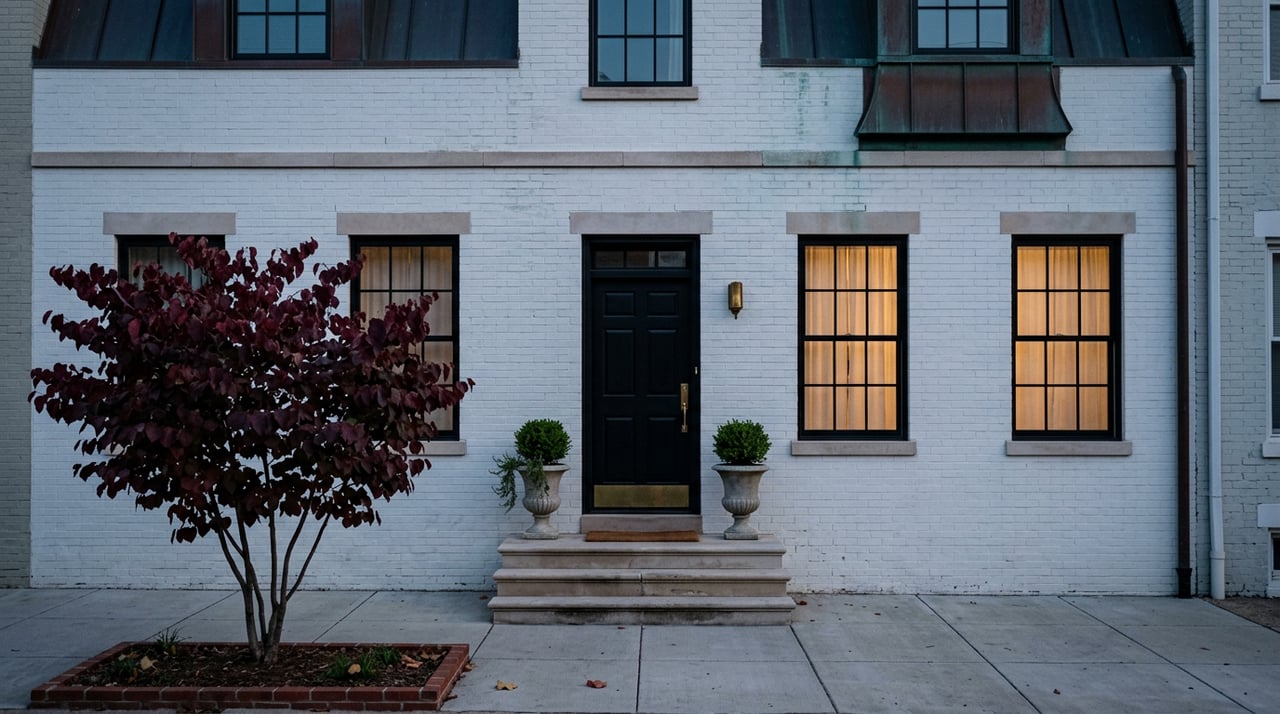
If you are exploring homes in Wilmette, you will likely see a broad mix of architecture rather than one dominant style. Village preservation materials reference Colonial Revival, Tudor Revival, Spanish, and brick bungalow examples.
That variety gives buyers more room to find a fit based on style preferences, renovation goals, and location priorities. It also adds to the visual character of the village as a whole.
Historic preservation resources emphasize features like single-family residences, brick-paved streets, tree-lined streets, period street lights, and proximity to Lake Michigan. Together, those details help create the atmosphere many buyers associate with Wilmette.
If you are drawn to communities with established architecture and a strong sense of identity, this is likely part of what you will notice when touring homes and neighborhoods.
The village is developing both a Housing Plan and a Historic Preservation Plan, and village center planning contemplates a mix of residential housing options near the core. That suggests Wilmette is thinking about future housing needs while still protecting the elements that define its character.
For buyers and sellers, that balance can be meaningful. It points to a community that is planning ahead rather than standing still.
Wilmette can be a strong fit if you want a shoreline-oriented suburb with transit access, a functioning downtown, and a mostly owner-occupied housing base. It may also appeal to you if you care about mature streetscapes, established homes, and having a mix of outdoor spaces woven into daily life.
In simple terms, Wilmette often works well for people who want both beauty and practicality. You get Lake Michigan, green space, local business districts, and multiple commuting options within a village that still feels manageable in scale.
Taken together, the village combines a lakefront setting, neighborhood-scale downtown living, transit connections, and a largely single-family housing stock. That combination is not easy to find, especially in a community that has such a strong visual identity.
If you are comparing North Shore suburbs, Wilmette stands out for how naturally these features come together. It offers a lifestyle that feels polished but livable, active but not overwhelming, and rooted in local character.
If you are thinking about buying, selling, or making a move within the North Shore, The Keki Cannon Team brings hyperlocal guidance, thoughtful strategy, and hands-on support to help you make the right move with confidence.
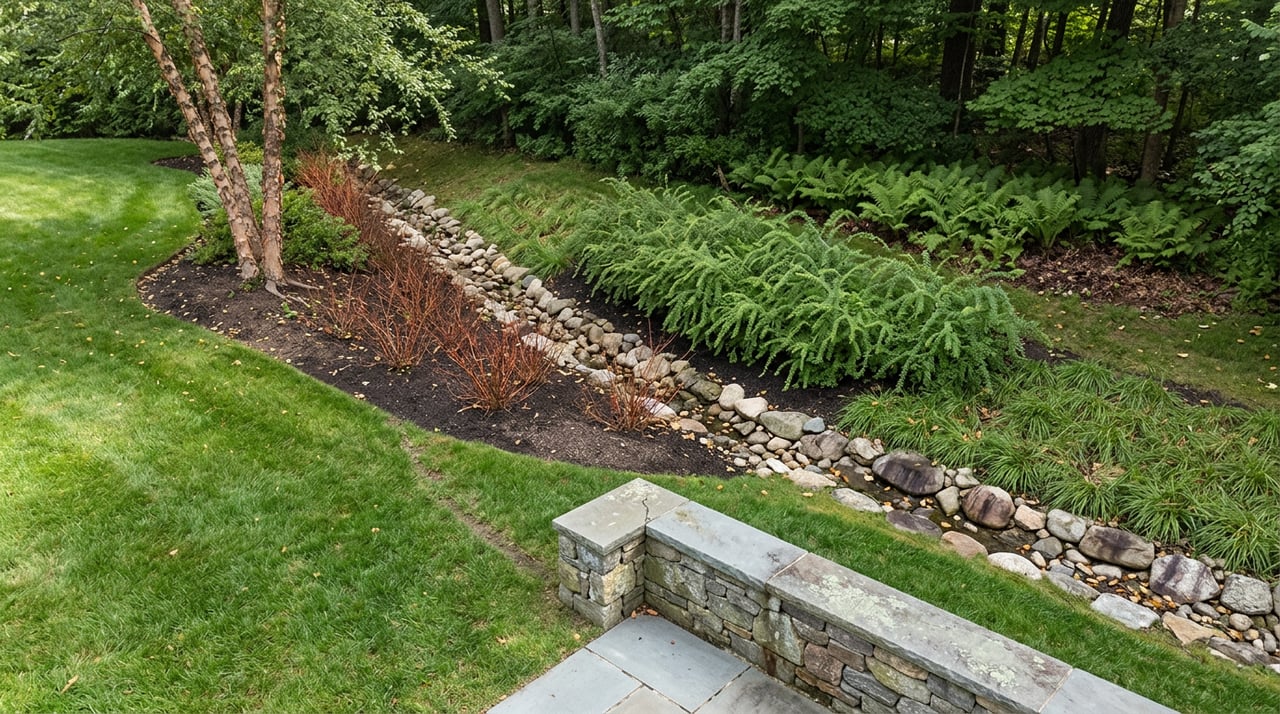
Highland Park
What Highland Park homeowners and buyers should know about ravine properties, setbacks, maintenance, and the rules that protect them.
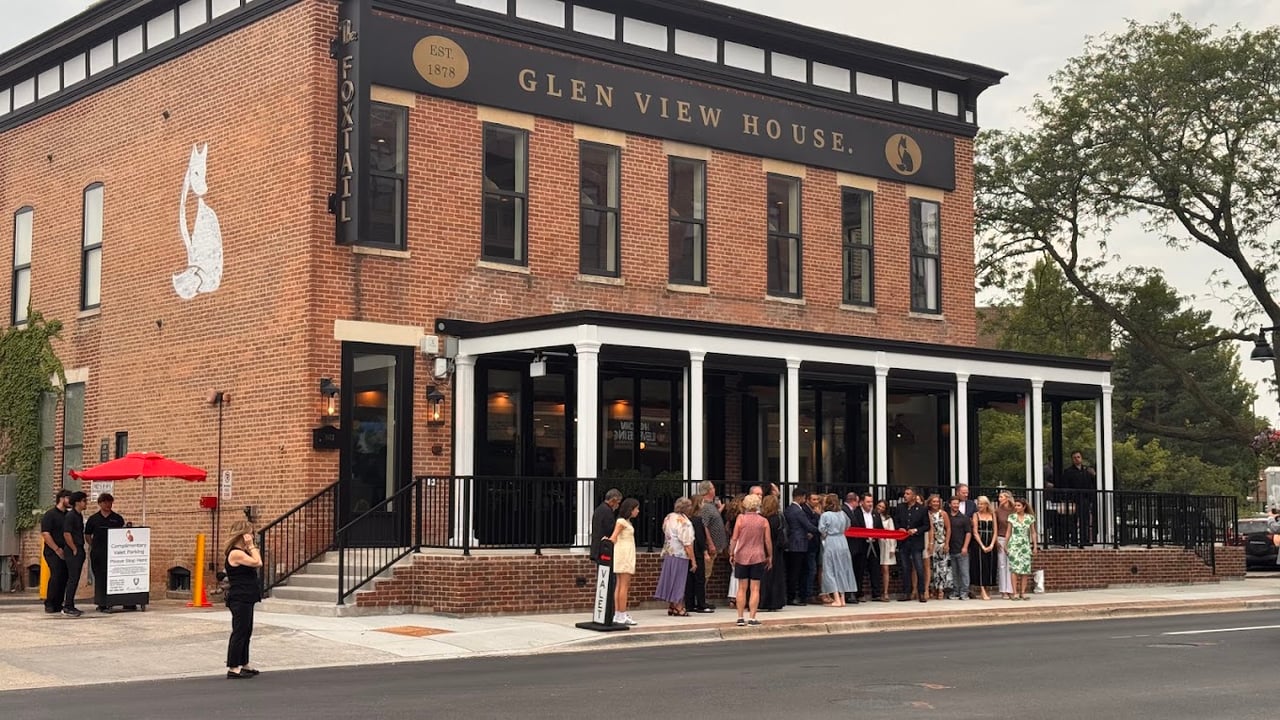
Glenview
New restaurants, new residents and a packed September calendar are changing the feel of downtown Glenview.
Our deep local roots create a complete knowledge base—covering schools, public amenities, and local culture—allowing us to meet every client's needs with absolute precision.
Get In Touch With Our Team To Learn More